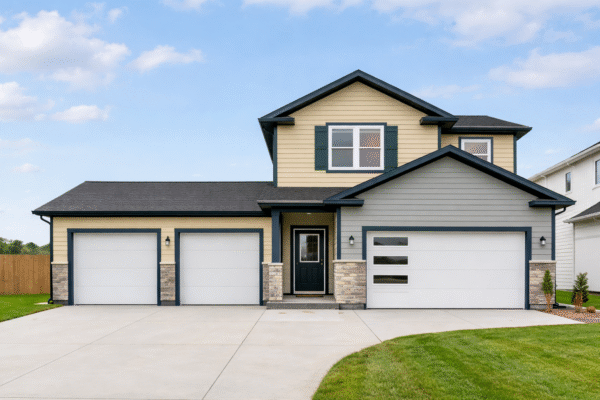
When searching for custom home with shop attached building services in Fargo, ND, it’s essential to understand the unique aspects of these mixed-use residential construction projects.
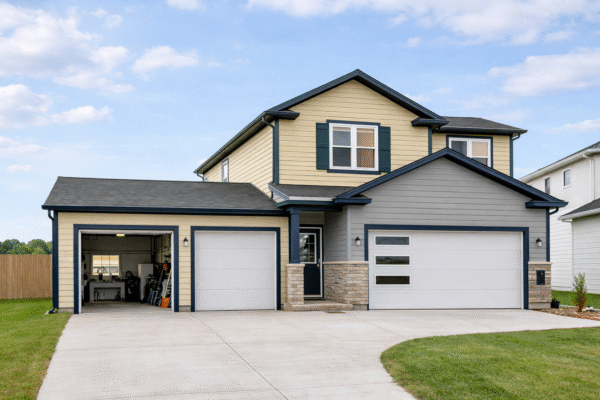
Shop-homes, also known as “shouses,” combine living spaces with attached workshops, garages, or other work areas under one roof.
In Fargo, factors like climate, zoning regulations, and available land can significantly impact the design and construction of these specialized buildings.
Many people mistakenly believe that combining living and work spaces is as simple as adding a garage to a house plan, but there are crucial differences to consider.
Understanding Custom Home With Shop Attached Building Services
Zoning and land use rules define where mixed-use buildings are allowed, directly affecting site selection, layout flexibility, and overall project feasibility.
Fire separation standards require rated walls and doors between spaces, increasing design complexity, material requirements, and long-term safety compliance.
Utility system integration planning impacts HVAC, plumbing, and electrical efficiency while affecting noise control, maintenance needs, and energy performance.
Structural load design supports heavy equipment and large spans, requiring stronger foundations, framing systems, and engineered reinforcements.
Ventilation and air quality control systems manage dust and fumes, protecting indoor comfort, health, and long-term livability of mixed-use spaces.
| Key Concept | Definition | Implications |
|---|---|---|
| Shop-Home or “Shouse” | A mixed-use building combining residential living spaces with attached workshops, garages, or work areas | Requires specialized design and construction expertise to balance comfort, functionality, and code compliance |
| Attached vs. Detached Shops | Shops can be integrated into the main structure or built as separate buildings connected by a breezeway or covered walkway | Attached shops offer convenience and energy efficiency, but may require more complex zoning and permitting |
| Climate Considerations | Fargo’s cold winters, heavy snowfall, and freeze-thaw cycles impact foundation, insulation, and roof design | Builders must account for higher snow loads, deeper frost depths, and potential moisture issues in mixed-use structures |
How Local Zoning and Building Codes Affect Shop-Home Projects
Before embarking on a custom shop-home project in Fargo, it’s crucial to understand the local zoning regulations, building codes, and permit requirements that apply to mixed-use structures.
Depending on the location and intended use of the property, you may need to navigate residential, agricultural, or mixed-use zoning designations.
Each type of zoning comes with its own set of rules governing noise levels, emissions, parking, and other factors that can affect your shop-home design.
Additionally, Fargo’s building codes have specific requirements for fire separation, ventilation, insulation, and structural integrity that differ between living spaces and work areas.
Failing to account for these code requirements early in the design process can lead to costly changes and delays down the road.
That’s why it’s essential to work with a contractor who understands the intricacies of mixed-use construction and can guide you through the permit process from the start.
| Zoning/Code Consideration | Potential Impact on Shop-Home Design | Mitigation Strategies |
|---|---|---|
| Residential vs. Agricultural vs. Mixed-Use Zoning | Determines allowable noise levels, emissions, parking requirements, and other factors | Choose a property with appropriate zoning for your intended use or seek a variance if needed |
| Fire Separation and Ventilation Codes | Requires physical barriers, separate HVAC systems, and fire-rated doors between living and work spaces | Incorporate fire separation into the initial design and budget for necessary components |
| Snow Load and Frost Depth Requirements | Mandates stronger roof structures, deeper foundations, and better drainage for Fargo’s climate | Work with an engineer to ensure the building can withstand heavy snow and freezing temperatures |
Choosing a Contractor Experienced in Mixed-Use Construction
One of the most critical decisions in any custom building project is choosing the right contractor, but it’s especially important when constructing a shop-home.
While many home builders may claim to have experience with garages or workshops, true mixed-use construction expertise is harder to find.
When interviewing potential contractors in the Fargo area, ask specific questions about their experience with projects that combine living and working spaces:
- How many shop-homes have they built from start to finish?
- Can they provide references and photos from past mixed-use projects?
- Are they familiar with the unique zoning, permitting, and code requirements for these structures?
- Do they have established relationships with specialized subcontractors like industrial door installers or commercial HVAC technicians?
Be wary of builders who seem dismissive of the unique challenges posed by shop-home construction or who try to steer you toward a simpler, more conventional design.
The right contractor will listen carefully to your needs, ask thoughtful questions, and offer creative solutions based on their mixed-use building experience.
Designing a Space That Balances Comfort and Function
The key to a successful shop-home is striking the right balance between comfortable living spaces and functional work areas.
This starts with a thoughtful layout that separates noisy, dusty, or hazardous workshop activities from the main living areas using soundproofing, air filtration, and physical barriers.
At the same time, you’ll want to maintain easy access between the two spaces, with features like a mudroom or decontamination area to prevent tracking debris into the house.
| Design Focus | Purpose | Key Features |
|---|---|---|
| Layout & Access | Separate living and work areas | Soundproofing, mudroom/decontamination area |
| Climate & Insulation | Maintain comfort in both spaces | HVAC zoning, upgraded insulation, weatherproofing |
| Storage & Workflow | Maximize efficiency and organization | Built-in cabinets, shelving, designated task areas |
Other important design considerations include:
- Zoning your HVAC system to maintain separate temperature and humidity levels for each space
- Upgrading insulation and weatherstripping to account for larger doors and higher ceilings in the shop area
- Planning for adequate storage, including built-in cabinets, shelving, and mezzanines to maximize vertical space
- Designing the shop layout for workflow efficiency, with designated areas for different tasks or equipment
- Incorporating natural light and ventilation wherever possible to create a more pleasant work environment
Managing Budget, Scope, and Build Complexity
Building a custom shop-home is inherently more complex and expensive than a typical residential construction project.
The combination of living and work spaces requires more specialized materials, equipment, and labor, which can quickly drive up costs if not managed carefully.
Some of the most common cost drivers in shop-home construction include:
- Reinforced concrete slabs to support heavy equipment and vehicles
- Oversized garage doors and high-durability finishes in the shop area
- Upgraded electrical and HVAC systems to handle the demands of power tools and ventilation
- Enhanced insulation and soundproofing to maintain comfort and energy efficiency
- Permitting and inspection fees for mixed-use structures
To keep your project on track and within budget, work closely with your contractor to define a clear scope of work and prioritize your must-have features.
Consider phasing the build to spread out costs over time, such as finishing the living spaces first and adding shop amenities later.
Most importantly, resist the temptation to make major changes or additions once construction is underway, as this “scope creep” can quickly blow up your budget and timeline
How Seasonal Weather Patterns Impact Construction Planning
Building a custom shop-home in Fargo requires careful planning around the region’s climate and seasonal constraints.
With cold winters and heavy snowfall, exterior construction is limited to the warmer months between late spring and early fall.
This means that site work, foundations, and framing must be completed before the ground freezes, while interior work can continue through the winter.
Your contractor should provide a detailed construction timeline that accounts for these seasonal limitations, as well as the potential for weather delays.
Be sure to ask about their strategies for protecting the build site during inclement weather, such as using temporary enclosures or heating systems to allow work to continue.
Other timeline considerations for Fargo shop-home builds include:
- Allowing extra time for permitting and inspections, which may be more complex for mixed-use structures
- Ordering custom or specialized materials well in advance to avoid supply chain delays
- Coordinating with subcontractors and inspectors to minimize scheduling conflicts
- Building in buffer time for unexpected issues or changes that may arise during construction
While it’s natural to want your shop-home completed as quickly as possible, resist the urge to rush the process.
Quality craftsmanship takes time, and cutting corners to save a few weeks can lead to long-term headaches and costly repairs down the road.
Why Custom Shop-Home Building Services Matter
Building a custom shop-home is a significant investment that will impact your daily life, productivity, and long-term satisfaction with your property.
Cutting corners or settling for a less-than-ideal design can lead to a host of problems, from constant noise and dust infiltration to inefficient workflows and wasted space.
On the other hand, a well-designed and expertly constructed shop-home can provide a comfortable, functional, and efficient space that enhances both your personal life and your work.
When you choose experienced custom shop-home building services in Fargo, you gain access to specialized expertise, local knowledge, and a network of trusted subcontractors who understand the unique challenges of these projects.
The right builder will take the time to understand your needs, craft a personalized design, and guide you through every step of the construction process to ensure your vision becomes a reality.
In the end, investing in quality custom shop-home building services is about more than just a physical structure – it’s about creating a space that supports your passions, fosters your productivity, and enhances your quality of life for years to come.
FAQs
How much does it cost to build a shop house?
The cost of a shop house can vary widely depending on size, location, and finishes, but expect to pay at least 20-30% more than a comparable residential build. Work with your builder to define a clear budget and prioritize your must-have features.
What permits are needed for a home with an attached shop?
In addition to standard residential building permits, you may need zoning approval, environmental permits, and special inspections for a mixed-use structure. Your contractor should be familiar with local requirements and guide you through the process.
How do I find a contractor for mixed-use home builds?
Look for builders with specific experience in shop-home or mixed-use construction, and ask for references and photos of completed projects. Choose a contractor who understands the unique challenges and opportunities of these builds.
What design mistakes should I avoid for a home/workshop combo?
Common pitfalls include failing to properly separate living and work spaces, underestimating storage needs, and not planning for future flexibility. Work with an experienced designer to create a layout that balances comfort, functionality, and efficiency.
How long does a custom shop-home build usually take?
The timeline depends on the project’s size and complexity, but expect the process to take at least 6-12 months from initial design through final occupancy. Your builder should provide a detailed schedule and communicate any potential delays proactively.