When searching for attic room conversion options in Fargo, ND, homeowners need to prioritize compliance with building codes for a safe and successful project.
Following local regulations guarantees that your renovation is energy-efficient, structurally sound, and suitable for Fargo’s harsh winter conditions.
Proper planning and working with experienced contractors also help prevent costly mistakes and ensure a comfortable, functional living space.
How Building Codes Shape Attic Room Conversions
Attic conversions are regulated differently from other home remodeling projects because they transform uninhabited space into livable square footage.
Fargo classifies attics as “habitable space” only after they meet strict criteria for insulation, ventilation, structural support, and emergency egress.
Local building inspectors prioritize these key areas when reviewing attic conversion plans and conducting on-site assessments. Common reasons attic remodels fail initial inspections include:
- Inadequate insulation or air sealing
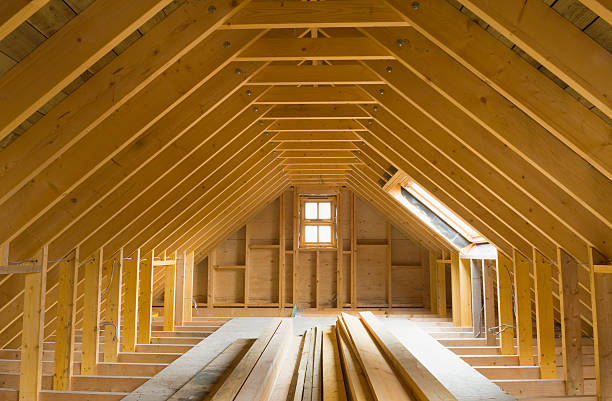
- Substandard framing for snow load support
- Lack of proper egress windows or access points
| Inspection Focus | Primary Concern | Potential Consequence |
|---|---|---|
| Insulation & Air Sealing | Energy efficiency and moisture control | High heating costs, ice dams, mold growth |
| Structural Framing | Ability to support snow load weight | Sagging, cracking, or collapse |
| Egress & Safety | Safe exit in case of fire or emergency | Injury, loss of life, or legal liability |
As the table illustrates, building code compliance isn’t just a bureaucratic hurdle—it directly impacts the safety, comfort, and long-term value of your attic conversion investment.
Winter-Ready Insulation and Air Sealing for Attic Conversions
Proper insulation is critical for attic conversions in Fargo’s frigid climate.
The International Energy Conservation Code (IECC) recommends at least R-49 insulation for attics in this region, which equates to about 16 inches of fiberglass or cellulose.
However, meeting minimum R-value requirements doesn’t guarantee optimal performance.
Effective air sealing is equally important to prevent heat loss and moisture problems.
Strategies like spray foam insulation, rigid foam board, and meticulous caulking and weatherstripping help create a tight thermal envelope.
| Insulation Strategy | R-Value per Inch | Air Sealing Benefit |
|---|---|---|
| Fiberglass Batts | R-2.2 to R-2.7 | Moderate |
| Cellulose (Blown-In) | R-3.2 to R-3.8 | Good |
| Spray Foam | R-3.6 to R-6.5 | Excellent |
Investing in high-performance insulation pays off with lower energy bills, fewer ice dams and drafts, and a more comfortable living space.
How Structural Framing and Snow Load Impact Attic Room Conversions
Fargo’s heavy snow accumulation poses unique challenges for attic conversions.
Existing roof framing was likely designed to support the weight of the roof itself, not the added load of snow, insulation, and living space components.
Building codes require attic framing to withstand a minimum snow load of 40 pounds per square foot in this region.
Reinforcing undersized joists and rafters with larger lumber, engineered trusses, or additional support beams may be necessary to meet this standard.
| Structural Warning Sign | Potential Cause | Remediation Strategy |
|---|---|---|
| Sagging or bouncy floors | Undersized joists | Reinforce with larger joists or add support beams |
| Cracked or split rafters | Inadequate rafter size or spacing | Repair and reinforce with engineered lumber |
| Visible deflection or bowing | Lack of structural support | Install collar ties or additional framing |
Homeowners should be alert for the structural warning signs outlined in the table above before proceeding with an attic conversion.
Consulting a structural engineer or experienced contractor early in the planning process can prevent costly rework and ensure a safe, code-compliant design.
Egress Window Requirements for Attic Living Space Conversions
Attic conversions must include at least one egress window or door that meets specific size and placement requirements for emergency exits.
In Fargo, egress windows must have a clear opening of at least 5.7 square feet, with a minimum width of 20 inches and a minimum height of 24 inches.
The bottom of the egress window opening can be no more than 44 inches above the finished floor, and there must be a clear path at least 36 inches wide from the window to the room’s main exit.
Roof slope and dormer design can complicate egress placement, so it’s important to plan room layouts and window locations carefully.
| Egress Consideration | Code Requirement | Design Impact |
|---|---|---|
| Minimum Clear Opening | 5.7 sq. ft. (5.0 sq. ft. for grade-level) | Affects window size and style options |
| Maximum Sill Height | 44 inches above finished floor | Influences furniture placement and room layout |
| Clear Path to Exit | 36 inches wide from window to door | Requires strategic space planning |
The table above summarizes the key egress window requirements and how they impact attic room design.
Prioritizing egress compliance not only ensures a safe living space but also maximizes natural light and ventilation for a more comfortable and inviting room.
How Permits and Inspections Impact Attic Room Conversion Timelines
Attic conversions in Fargo require a building permit and a series of inspections at key stages of the project.
The permit application must include detailed plans, specifications, and any required engineering calculations.
Typical inspection milestones for attic conversions include:
- Rough framing and structural inspection
- Electrical, plumbing, and HVAC rough-ins
- Insulation and air sealing inspection
Planning and allowing ample time for each inspection can help keep your project on track.
Many contractors recommend a 6-8 week timeline from permit application to final approval for a typical attic conversion in Fargo.
However, every project is unique, and unforeseen issues can extend the schedule.
Regular communication with your contractor and building department can help keep things running smoothly.
Common Code Compliance Mistakes in Attic Room Conversions
Common code compliance mistakes in attic room conversions often start with failing to meet minimum ceiling height and floor load requirements, which can make the space unsafe or unlivable.
Homeowners frequently overlook proper insulation and air sealing, leading to energy code violations and comfort issues.
Another common error is installing inadequate egress windows that do not meet size or placement requirements for emergency escape.
Electrical wiring is sometimes added without proper permits or grounding, creating safety hazards and inspection failures.
Ventilation mistakes, especially in bathrooms or HVAC layouts, can cause moisture buildup and mold problems.
Even well-intentioned homeowners and contractors can overlook important code requirements in the rush to complete an attic conversion.
Some of the most common compliance pitfalls include:
- Skimping on insulation to save on material costs
- Failing to upgrade structural framing for added loads
- Ignoring air sealing details that compromise efficiency
These shortcuts and oversights not only jeopardize the safety and comfort of the finished space but can also lead to failed inspections, costly re-work, and potential legal liabilities down the road.
Partnering with a reputable contractor who specializes in code-compliant attic conversions is the best way to avoid these pitfalls and ensure a successful project that meets all local requirements.
Why Code-Compliant Attic Room Conversions Matter
Proper compliance addresses critical requirements like load-bearing support, fire safety, insulation, and emergency egress.
Meeting building codes helps prevent costly corrections, failed inspections, or project delays during the conversion process.
A code-approved attic room also protects homeowners from fines, insurance issues, and future resale complications.
Compliance ensures the space is comfortable year-round by meeting energy efficiency and ventilation standards.
Investing in a code-compliant attic conversion offers Fargo homeowners peace of mind and long-term value that far outweighs any short-term savings from cutting corners.
A properly permitted and inspected attic living space:
- Ensures the safety and well-being of occupants
- Protects the home’s structural integrity and resale value
- Maximizes energy efficiency and comfort in all seasons
| Code Compliance Benefit | Short-Term Advantage | Long-Term Value |
|---|---|---|
| Structural Safety | Peace of mind during construction | Lasting durability and performance |
| Energy Efficiency | Lower monthly utility costs | Higher resale value and marketability |
| Legal Protection | Avoid fines and stop-work orders | Smoother sale and financing process |
In contrast, non-compliant attic conversions often come with hidden costs that can far exceed any upfront savings.
From higher energy bills and decreased comfort to potential structural failures and legal liabilities, the risks of cutting corners are simply too high.
By prioritizing code compliance and working with experienced professionals, Fargo homeowners can enjoy all the benefits of a well-designed attic living space without compromising safety, quality, or long-term value.

FAQs
How do attic room conversions meet building code rules?
Attic room conversions in Fargo must meet specific requirements for insulation, structural support, egress windows, and other safety features to be classified as habitable living space. Working with a knowledgeable contractor and obtaining necessary permits and inspections ensures compliance.
What insulation levels are required for attic conversions?
Fargo’s building code requires a minimum insulation R-value of 49 for attic living spaces, which typically means installing 16-18 inches of fiberglass or cellulose insulation. However, higher R-values and air sealing strategies are recommended for optimal comfort and efficiency.
Do attic conversions need egress windows in homes?
Yes, all attic living spaces in Fargo must have at least one code-compliant egress window or door for emergency exits. Egress windows must meet minimum size, height, and clearance requirements to ensure safe evacuation in case of fire or other hazards.
Can existing framing handle snow loads after attic conversion?
Fargo’s heavy snow loads can overburden existing attic framing that wasn’t designed for habitable use. Reinforcing joists, rafters, and support structures to meet minimum load-bearing requirements is often necessary for code compliance and long-term safety.
What permits are required for attic room conversion?
Attic conversions in Fargo require a building permit and a series of inspections at key project milestones. Homeowners or their contractors must submit detailed plans and specifications to obtain the necessary permits before starting work.